1:08:31
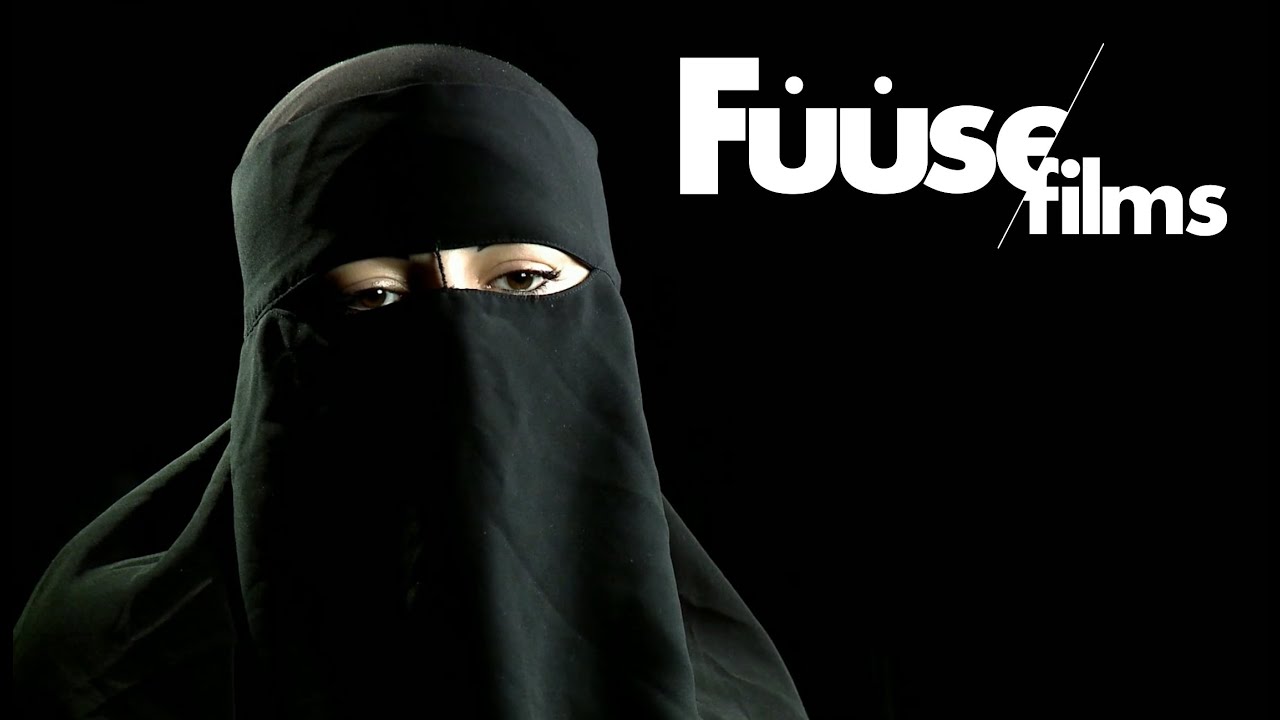
Banaz A Love Story. An Emmy and Peabody winning film by Deeyah Khan ©Fuuse Films
Fuuse Learning
Overview
This documentary chronicles the tragic honor killing of Banaz Mahmod, a young Kurdish woman in London, by her own family. It details Banaz's struggle for autonomy against oppressive cultural norms, her abusive marriage, her attempts to seek help from the police, and the eventual conspiracy that led to her murder. The film highlights the systemic failures in protecting vulnerable women and the bravery of those who speak out against honor-based violence, particularly Banaz's sister, Behjat, who testified against her family.
How was this?
Save this permanently with flashcards, quizzes, and AI chat
Chapters
- Banaz Mahmod was a young Kurdish woman in London who became a victim of an honor killing.
- Her family perceived her desire for independence and love as bringing dishonor to them.
- Honor killings are a form of violence rooted in the control of women's sexuality and behavior to preserve family reputation.
- The film emphasizes the love and care that Banaz was denied by her family, prompting a desire in others to seek justice for her.
This chapter introduces the central tragedy and the cultural context of honor killings, setting the stage for understanding Banaz's fate and the societal issues at play.
The police officer's statement about feeling a need to 'take the place of whoever should have done that' for Banaz, highlighting the lack of love and protection she received.
- Banaz was born in Iraq in 1985 and her family later came to London as refugees.
- In their culture, women have very limited rights regarding divorce, child custody, and partner choice.
- Female genital mutilation (FGM) was practiced within the family, highlighting extreme control over female bodies and sexuality.
- Banaz was described by her teacher as soft, nurturing, and a little mother to her sisters, indicating a caring nature despite her difficult home life.
Understanding Banaz's upbringing and the cultural practices she was subjected to provides crucial context for the extreme measures taken by her family later.
The harrowing account of FGM being performed on a sister while awake, illustrating the brutal control exerted by the family.
- Upon moving to London, Banaz faced restrictions on personal freedoms, such as nail length and eyebrow plucking, clashing with Western influences.
- Her father and uncle exerted significant control, leading to physical abuse and beatings.
- At 17, Banaz entered an arranged marriage with Ali, a man she barely knew, who was deeply traditional.
- Her marriage was characterized by severe abuse, including rape and threats of violence, with Ali isolating her from her own family.
This section details Banaz's early attempts at asserting independence and the beginning of her deeply abusive marital experience, which ultimately led to her seeking help.
Banaz's description of her husband forcing sex whenever he wanted, stating, 'whenever I said no or he wouldn't take no for an answer... he would just start raping me.'
- Banaz reported her husband's abuse to the police, but faced disbelief and a lack of effective action.
- When her family learned of the abuse, they sided with her husband, viewing her actions as bringing shame.
- Despite repeated attempts to leave, Banaz was pressured by her family to return to her abusive marriage, as divorce was seen as a major family disgrace.
- Her sister, Behjat, who tried to intervene, was attacked by their father with a dumbbell, highlighting the family's violent response to perceived dishonor.
This chapter reveals the critical failure of both the police and her family to protect Banaz, demonstrating how societal and familial pressures can trap victims.
The family's reaction to Ali admitting to beating Banaz and forcing sex: they found it acceptable and sent her back to try harder to be a better wife.
- After leaving her husband, Banaz found freedom and joy in a new relationship with Rahmat.
- She began to feel she was being followed and feared her ex-husband or his family were sending people to watch her.
- Banaz reported these fears to the police multiple times, but her concerns were not adequately addressed.
- The family viewed her relationship with Rahmat as a further source of dishonor, leading to a 'council of war' orchestrated by her uncle.
This section shows Banaz experiencing happiness but simultaneously facing escalating threats, underscoring the danger posed by her family's obsession with honor.
Banaz's letter to the police detailing threats from her uncle, stating he was ready to kill her and Rahmat, which was dismissed as 'childlike writing'.
- Banaz was lured to her grandmother's house on New Year's Eve 2005 under false pretenses.
- She was drugged with brandy and then attacked by her father and other male relatives, including her uncle Ari.
- Banaz managed to escape briefly but was ultimately killed by strangulation, with her body placed in a suitcase.
- The murder was a planned, collective act by male family members, driven by the desire to erase the 'dishonor' Banaz represented.
This chapter details the brutal execution of the honor killing, illustrating the calculated and collaborative nature of such crimes.
The graphic description of the murder, including the use of a wire to strangle Banaz, her body being placed in a suitcase, and the killers laughing about the act afterward.
- The police investigation was hampered by initial disbelief, systemic failures, and a lack of cooperation from the Kurdish community.
- Banaz's sister, Behjat, bravely testified against her family, providing crucial evidence despite immense personal risk.
- Two of the perpetrators, Omar Hussein and Muhammad Ali, fled to Iraq but were eventually extradited after a three-year effort.
- The film advocates for education and awareness to combat honor killings, emphasizing that they are not exclusive to any single religion or ethnicity.
This concluding section addresses the pursuit of justice, the challenges faced by investigators, and the broader societal implications and calls for change.
Behjat Mahmod's testimony against her own family, stating, 'I have massive maximum respect for Behjat for having the courage to give evidence against her family, knowing that your family would have you killed for doing it.'
Key takeaways
- Honor killings stem from a patriarchal system that prioritizes family reputation over individual lives, particularly women's autonomy.
- Cultural norms that oppress women's rights and control their sexuality can lead to extreme violence when challenged.
- Systemic failures, including police inaction and community silence, can enable honor killings to occur and perpetrators to evade justice.
- Individual bravery, like that of Banaz's sister Behjat, is crucial in challenging these oppressive systems and seeking accountability.
- The concept of 'honor' in honor killings is a misnomer; these acts are fundamentally murder and require legal and societal intervention.
- Education and raising awareness are vital tools to dismantle the cultural underpinnings of honor-based violence.
- Women facing oppressive family or cultural pressures should seek support and consider creating their own chosen families if their biological families cannot provide love and respect.
Key terms
Honor KillingPatriarchal SystemFemale Genital Mutilation (FGM)Arranged MarriageDomestic AbuseCultural NormsFamily ReputationDishonorExtraditionHonor-Based Violence
Test your understanding
- What are the primary cultural factors that contribute to honor killings as depicted in the video?
- How did Banaz's attempts to seek help from the police and her family ultimately fail her?
- What role did Banaz's sister, Behjat, play in seeking justice for Banaz, and what risks did she face?
- Why is the term 'honor killing' considered a misnomer, and what is a more accurate legal term for these acts?
- What steps does the film suggest are necessary to combat honor killings and protect vulnerable women?