25:02
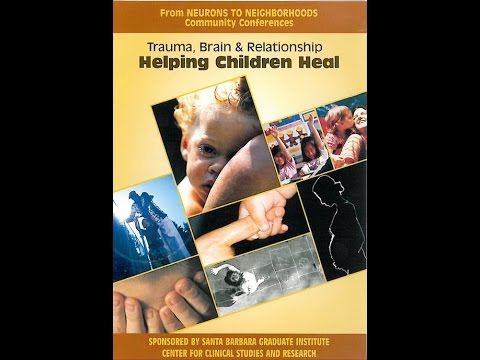
Trauma, Brain & Relationship: Helping Children Heal
Fear to Love
Overview
This video explores the profound impact of trauma on a child's developing brain and relationships, emphasizing that early experiences, particularly within caregiver relationships, shape neural pathways and emotional regulation. It highlights how disruptions in attachment and exposure to stress or trauma can lead to long-term physiological and psychological challenges. The video stresses the critical role of sensitive, responsive caregiving and supportive relationships in fostering resilience and healing, advocating for a community-wide approach to support children and break intergenerational cycles of trauma.
How was this?
Save this permanently with flashcards, quizzes, and AI chat
Chapters
- Human development and essential life skills are learned within the context of relationships.
- Brain development, particularly synapse formation, is influenced by both genetics and life experiences.
- Research provides biological evidence that negative interactional processes can significantly impact brain organization.
Understanding the neurobiological link between relationships and brain development underscores why secure attachments are fundamental for a child's healthy growth and emotional well-being.
Early handling of rat pups by humans, even briefly, altered their brain development compared to unhandled pups, demonstrating the biological impact of early interaction.
- Insults during prenatal development (e.g., alcohol, smoking, maternal stress) can affect brain stem organization.
- A poorly organized brain stem can lead to state regulation problems in infants, making them difficult to soothe and engage.
- Maternal stress during pregnancy can result in babies being born hyperreactive, as their developing systems are primed for a threat response.
This explains how prenatal and early life stress can create a biological predisposition for dysregulation, impacting a child's ability to manage their emotions and increasing caregiver stress.
A baby born to a mother experiencing constant stress during pregnancy may be hyperreactive because their nervous system is already set to a heightened state of alert.
- The parent-child attachment bond is crucial for development and teaches the child self-regulation through the caregiver's soothing presence.
- When caregivers are overwhelmed, depressed, or in distress, they struggle to provide consistent soothing, leading to infant hyperarousal and disregulation.
- Sensitive caregiving fosters an integrated brain and a coherent mind, while insecure attachment patterns can lead to dysregulation.
This chapter emphasizes that the quality of early caregiver interactions directly shapes a child's capacity for emotional regulation and mental coherence.
A mother's ability to consistently soothe her distressed baby teaches the baby's nervous system how to calm itself down over time.
- Repeatedly not being soothed during distress impacts the brain's cortisol system, which is responsible for calming arousal.
- Infants may increase their own cortisol levels to compensate for a lack of parental soothing, which can be damaging to brain tissue.
- Chronic high cortisol can reset the body's stress thermostat, leading to lower cortisol levels and a reduced capacity to handle distress later in life.
This illustrates a specific biological mechanism by which early trauma and neglect can create long-lasting vulnerabilities to stress and emotional dysregulation.
If an infant's distress is not met with soothing, their body may produce excessive cortisol, which can permanently alter their stress response system.
- Developmental trauma, including neglect, can have as significant an impact as single-incident trauma.
- Children's difficult behaviors are often stress responses, not willful disobedience, stemming from underlying fear.
- Trauma can manifest in various stress responses: hyper-reactivity (crying, tantrums), hyper-vigilance (anxiety, scanning), or shutdown (tuned out, withdrawn).
Recognizing trauma's pervasive influence and understanding its diverse manifestations allows adults to respond with empathy rather than judgment, facilitating appropriate support.
A child who appears 'too good' or withdrawn might be experiencing a shutdown response to trauma, which is often overlooked compared to more outwardly distressed children.
- Healing trauma requires creating a sense of safety, often through contact with a safe relationship.
- Becoming a 'sensory detective' helps identify and reintroduce triggering sensations in small, manageable doses to build tolerance and safety.
- Creating a narrative of the traumatic experience, even non-verbally for preverbal children, helps integrate the experience and makes it more bearable.
This chapter provides practical strategies for trauma intervention, emphasizing that healing is a process of rebuilding safety and making sense of overwhelming experiences.
Reintroducing a sound that triggers a traumatic memory in very small increments, allowing the child to feel safe and in control before and after the exposure.
- Even one secure attachment with an adult (teacher, caregiver) can build resilience in children who have experienced trauma.
- Healing is facilitated by present, patient, kind, and sensitive human connections, not necessarily by psychological expertise.
- Addressing parental trauma is essential for creating a safe environment for child healing, as many parents have also experienced trauma.
This highlights that supportive relationships are the primary agents of healing and resilience, and that community and parental well-being are integral to a child's recovery.
A daycare provider who is emotionally present and sensitive to a child's internal state can act as a crucial secure attachment figure, fostering resilience.
- Neuroscience supports the idea that early childhood (first 5 years) is the most critical and malleable period for brain development and intervention.
- Investing in high-quality caregiving during early childhood is more effective and less costly than later interventions.
- Parents engaging in self-understanding and healing their own trauma is vital for breaking intergenerational cycles and providing better care for their children.
This advocates for a societal shift towards prioritizing early childhood support and parental self-care as the most effective means of preventing and healing trauma.
Parents beginning a process of self-understanding and healing their own past traumas, which costs little but yields significant benefits for their children's well-being.
Key takeaways
- Relationships are the primary mechanism through which children learn, regulate emotions, and develop their brains.
- Early life stress and trauma can physically alter brain development, impacting a child's lifelong capacity to handle stress.
- A caregiver's ability to provide consistent soothing and emotional attunement is critical for a child's developing nervous system.
- Trauma responses in children are often misunderstood as behavioral problems, but they are rooted in fear and stress.
- Healing trauma involves creating safety, processing experiences through narrative, and fostering secure connections.
- Resilience can be built through even one consistent, supportive relationship, highlighting the power of human connection.
- Addressing parental trauma is a crucial step in breaking intergenerational cycles of trauma and supporting child healing.
- Investing in high-quality early childhood caregiving and parental self-awareness is the most effective strategy for promoting mental health and preventing trauma.
Key terms
SynapsesBrain stem organizationState regulationAttachment bondCortisol systemDevelopmental traumaHyper-reactivityHyper-vigilanceSensory detectiveNarrative creationResilienceNeuroplasticity
Test your understanding
- How does early childhood stress, even prenatal, physically alter a child's brain development and stress response system?
- Why is the caregiver's role in soothing and emotional regulation so critical for an infant's developing brain?
- What are the different ways trauma can manifest in a child's behavior, and how should adults interpret these signs?
- What are the key components of healing from trauma, and how can creating a narrative contribute to this process?
- Why is addressing parental trauma considered essential for effectively healing a child's trauma?