11:56
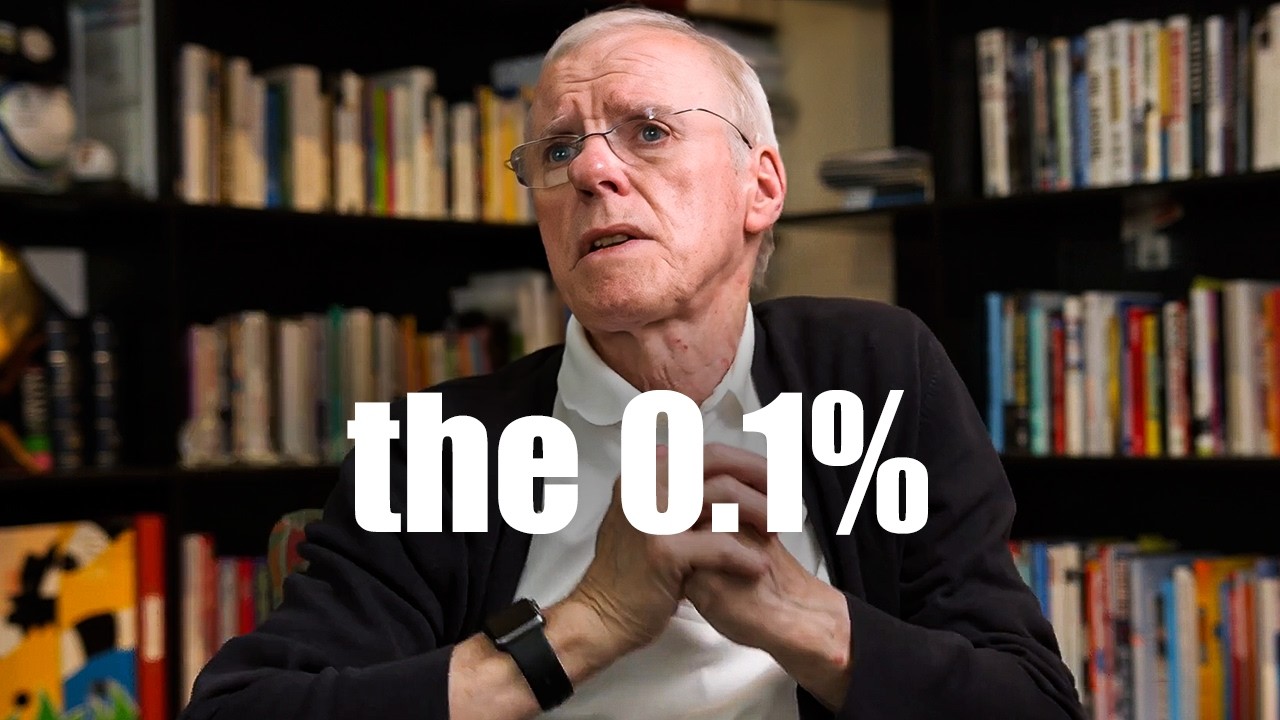
INSIDE THE MIND OF A WINNER | Sports Psychologist Bill Beswick * train to dominate *
MulliganBrothers
Overview
This video features sports psychologist Bill Beswick discussing the mindset of elite athletes, focusing on the progression from simply participating to training for dominance. He emphasizes the importance of self-awareness, defining clear goals, and understanding the sacrifices required for success. Beswick also highlights the power of attitude over innate talent, the ability to overcome excuses, and the transferability of mental toughness from sports to everyday life challenges, using personal anecdotes to illustrate his points.
How was this?
Save this permanently with flashcards, quizzes, and AI chat
Chapters
- Athletes can be categorized by their commitment: those who just show up, those who compete, those who train to win, and those who train to dominate.
- Training to dominate involves intense, consistent effort aimed at making winning an inevitable outcome.
Understanding these different levels helps athletes identify their own commitment and strive for higher levels of dedication.
The distinction between athletes who train to win versus those who train to dominate, where the latter makes winning an inevitable outcome through extreme effort.
- The core of high performance begins with asking: What do you want?
- The second crucial question is: How badly do you want it?, which reveals the depth of commitment.
- The third question, How much will you need to suffer?, acknowledges the inevitable sacrifices and hardships on the path to success.
These questions force introspection and clarify the true desires and willingness to endure the necessary challenges for achieving significant goals.
An athlete stating they want to be the best, prompting the follow-up questions about how badly they want it and the price they are willing to pay.
- Every day presents a choice between adopting a fighter mentality or a victim mentality.
- External factors like genetics and environment play a role, but attitude is a choice anyone can make.
- Excuses are plentiful, but they do not provide a reason for achievement; overcoming them is key.
Choosing a fighter mentality empowers individuals to overcome obstacles and excuses, fostering resilience in both sports and life.
Beswick's personal experience with Parkinson's disease, where he chose to create a family action plan rather than succumb to a victim mentality.
- Creating cohesion within a talented group, especially a national team with limited preparation time, is a significant challenge.
- Effective teams, like the England basketball team, demonstrate discipline by focusing on strategy during timeouts rather than arguing with officials.
- Self-motivation and the ability to perform under pressure are hallmarks of successful athletes.
Understanding team dynamics and the importance of discipline highlights how collective focus and individual motivation contribute to success.
The England basketball team using a timeout to strategize while the New Zealand team argued with the referee, showcasing superior focus and discipline.
- High performance rests on four interconnected elements: physical, technical, tactical, and mental.
- The physical aspect includes strength, speed, stamina, nutrition, and health.
- Technical skills involve mastering specific movements, while tactical intelligence requires understanding game strategy and team roles.
- The mental element is crucial for building confidence and the belief in one's ability to succeed.
A holistic approach that develops all four pillars is necessary for achieving peak performance and sustained success.
The transition from the comfort zone of the dressing room to the tunnel before a game, requiring a mental shift to build confidence and belief.
- The principles of high performance in sports directly translate to navigating challenges in everyday life.
- Developing a fighter mentality helps individuals manage personal struggles, such as health issues or relationship difficulties.
- The ultimate goal is to develop better athletes and, more importantly, better people who can positively shape their own life stories.
The mental skills honed in sports provide a powerful framework for resilience, goal achievement, and personal growth in all aspects of life.
Applying the fighter mentality to manage Parkinson's disease, involving family in creating an action plan instead of succumbing to despair.
Key takeaways
- True athletic dominance stems from a deliberate mindset focused on winning every session, not just competing.
- Clarifying 'what you want,' 'how badly you want it,' and 'how much you'll suffer' is fundamental to achieving ambitious goals.
- Attitude is a controllable factor that can often outweigh raw talent in determining success.
- Overcoming the tendency to make excuses and embracing a 'fighter' mentality is crucial for resilience.
- Effective teams exhibit discipline and focus, using critical moments for strategic planning rather than emotional reactions.
- Peak performance requires a balanced development of physical, technical, tactical, and mental capabilities.
- The mental toughness and strategic thinking developed in sports are directly applicable to overcoming life's challenges.
- The overarching goal of sports psychology is to foster both exceptional athletes and well-rounded, capable individuals.
Key terms
Train to DominateFighter MentalityVictim MentalityChallenge ZoneComfort ZoneAttitudeMental ToughnessHigh PerformanceCohesionTactical Intelligence
Test your understanding
- What are the four distinct levels of athletic commitment described by Bill Beswick?
- Explain the significance of the three core questions Beswick asks athletes regarding their goals and desires.
- How does the concept of a 'fighter mentality' contrast with a 'victim mentality', and why is this distinction important?
- What are the four key pillars of performance, and how do they interact to contribute to an athlete's success?
- In what ways can the mental skills learned through sports psychology be applied to overcome challenges in everyday life?