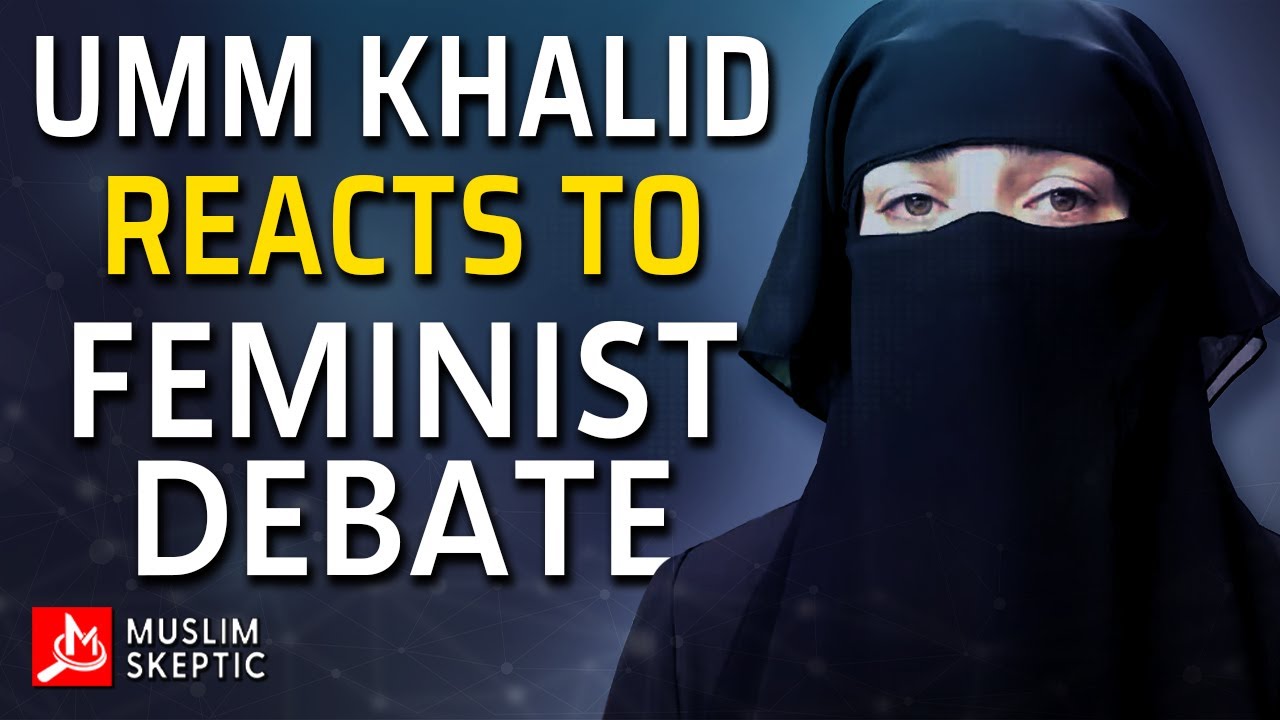
Umm Khalid REACTS to Feminist Debate: Should Muslim Women Go to College?
The Muslim Skeptic
Overview
This video discusses the potential downsides of modern secular higher education for Muslim women, contrasting it with traditional Islamic values. The speaker, who attended Harvard, shares personal experiences and observations about the risks of college environments, including loss of faith, sexual immorality, drug use, and exposure to secular ideologies like feminism. She argues that marriage and family, rather than career and education, are the primary sources of happiness and fulfillment for women, and that embracing vulnerability within an Islamic framework is more beneficial than seeking independence through secular means. The video suggests a re-evaluation of societal priorities regarding women's education and roles.
Save this permanently with flashcards, quizzes, and AI chat
Chapters
- The video addresses the debate surrounding Muslim women's pursuit of higher education.
- The speaker shares a personal story about her husband's casual statement against women's education shortly after their marriage, despite her being a Harvard student.
- This initial shock highlights the dissonance between modern secular values and traditional Islamic perspectives on women's roles and education.
- The speaker reflects on her own Harvard education, finding it difficult to recall tangible benefits or specific knowledge gained.
- She notes that learned skills like Hebrew were forgotten due to lack of use, and academic papers and theses are now gathering dust.
- Social connections made in college often fade, and the primary influences in her life were her father and husband, not professors or peers.
- College environments are presented as detrimental, particularly for women due to their impressionability.
- Specific dangers include loss of faith (deen), increased Zina (sexual immorality), normalization of LGBTQ+ lifestyles, drug and alcohol use, and inappropriate gender mixing.
- These issues are not theoretical but observed firsthand by the speaker and affect both Muslim and non-Muslim students.
- Students often face crippling debt and Riba (interest) from student loans, which have severe financial and mental health consequences.
- Exposure to feminism in college can 'poison' thinking and lead to a rejection of traditional values and roles.
- There's an anti-marriage sentiment prevalent in college, where career and academic pursuits are prioritized over family life.
- The speaker argues that true happiness for women lies in love, relationships, a good husband, a warm home, and family, not in degrees or careers.
- College years, typically late teens and early twenties, are the peak of a woman's youth and beauty, which are better invested in marriage and family.
- Delaying marriage and family for education can lead to a denial of joy and fulfillment.
- Islamic roles for men (providers) and women (nurturers) differ, meaning women do not have the same societal or religious obligation to pursue careers for financial provision.
- Women have a limited fertility window, making marriage and family a more pressing priority compared to men.
- Feminist attempts to erase women's 'vulnerability' through independence undermine the natural, Allah-created system that fosters strong bonds and mutual reliance.
- The pursuit of independence to eliminate vulnerability stems from a lack of trust in Allah (Tawakkul) and His divine plan.
- The risks associated with pursuing college and career at the expense of marriage and family are not hypothetical but are current realities (e.g., family breakdown, low marriage rates).
- Muslim society should prioritize marriage and family for women over secular education and careers, fostering a healthier 'Ummah' (community).
Key takeaways
- Modern secular higher education environments pose significant risks to a Muslim's faith and moral values.
- The perceived benefits of secular degrees are often superficial and do not translate into lasting wisdom or fulfillment.
- True happiness and purpose for women, according to Islamic teachings, are found in marriage, family, and nurturing roles, not solely in career advancement.
- Embracing natural feminine vulnerability, within an Islamic framework, strengthens bonds and fosters a healthy family structure, rather than seeking independence through secular means.
- A lack of trust in Allah's plan and wisdom underlies the modern push for women's radical independence and career focus.
- Societal priorities need to shift from valuing secular education and careers for women to prioritizing marriage, motherhood, and the strength of the Muslim family unit.
- The risks associated with neglecting marriage and family in favor of education and career are not theoretical but represent a current societal breakdown.
Key terms
Test your understanding
- What are the primary dangers the speaker identifies within secular college environments for Muslim women?
- How does the speaker define true happiness and fulfillment for women, and how does this contrast with the goals often promoted by secular education?
- What is the speaker's perspective on the concept of 'vulnerability' for women in Islam, and why does she argue against seeking independence to erase it?
- According to the video, what are the potential long-term consequences for the Muslim 'Ummah' if women prioritize secular careers over marriage and family?
- How does the speaker suggest that Muslim women should approach the decision of pursuing higher education, and what alternative priorities are emphasized?