50:41
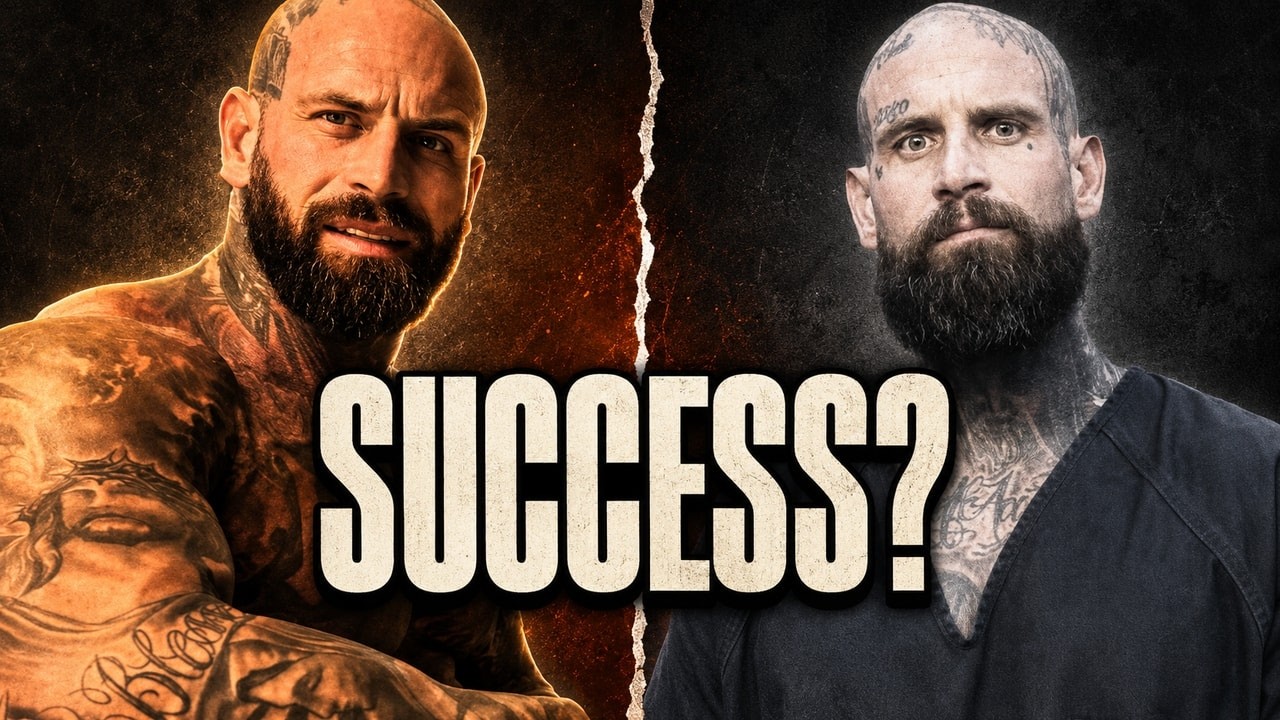
Wes Watson: Never Give Bad Habits a Bigger Budget (Warrior Stream #215)
Master Chim Official
Overview
This video explores how success can inadvertently lead to downfall by amplifying existing bad habits, using Wes Watson as a case study. The speaker, Justin Garcia, argues that unchecked negative behaviors, when coupled with increased power and resources, can lead to significant personal and professional ruin. The core message is a warning against neglecting self-awareness and accountability, emphasizing that true strength lies in confronting and managing one's flaws, especially when external validation and resources grow.
How was this?
Save this permanently with flashcards, quizzes, and AI chat
Chapters
- The speaker introduces the topic of how success can be destructive, using Wes Watson as an example.
- Wes Watson gained significant traction online due to his unapologetic delivery and perceived effectiveness.
- Despite his success, Watson reportedly maintained detrimental habits, particularly in his personal relationships and lifestyle choices.
- The central thesis is that 'bad habits get a bigger budget' with increased success, leading to amplified consequences.
Understanding Wes Watson's journey highlights the counterintuitive danger of success and the critical importance of addressing personal flaws before they become unmanageable.
The speaker mentions that a person in his coaching program who was also in Wes Watson's business program observed Watson's persistent bad habits despite his success.
- Success can lead individuals to become the persona they project, blurring the lines between the 'mask' and their true self.
- The market and audience often reward extreme or unsustainable versions of a personality, leading to a focus on external validation over internal well-being.
- This reliance on audience approval can replace genuine connection and accountability, creating a vulnerable position.
- The 'worst' aspects of oneself can become the brand when addicted to the approval of strangers.
This chapter explains how the pressure to maintain a public image and gain external approval can corrupt one's identity and lead to destructive behaviors, even when outwardly successful.
The speaker uses the analogy of a crackhead being paid $5 to perform dangerous stunts by onlookers who are only concerned with their own entertainment, illustrating how an audience can encourage harmful escalation.
- A genuine 'tribe' provides crucial feedback and accountability, which is often replaced by an audience that merely cheers or demands more.
- Discipline, when pursued for external validation rather than internal growth, can become mere 'theater' or performance.
- Focusing solely on physical discipline without command of one's mental and emotional state is insufficient and can be misleading.
- Success can turn off the internal 'alarms' that signal danger, leading individuals to ignore warning signs they would have heeded during their rise.
This section emphasizes that true progress requires genuine accountability and that discipline must serve a deeper purpose than mere performance or external recognition.
The speaker contrasts the value of a supportive 'tribe' that offers honest feedback with an 'audience' that only cheers, citing his own experience asking friends to tell him if he looked fat, even when he didn't want to hear it.
- Pouring all energy into one area of success while neglecting others ('one road red lines while the others rot') leads to collapse.
- Power amplifies the 'blast radius' of bad habits; a minor flaw with little power can become catastrophic when combined with significant influence or resources.
- Unchecked behaviors, like poor dietary habits or substance abuse, become more destructive when financial resources increase.
- Success without continued self-scrutiny and accountability is a dangerous state, as it can mask underlying issues.
This chapter provides a critical warning that increased power magnifies the impact of unaddressed flaws, making it imperative to maintain rigorous self-awareness and control.
The speaker uses the analogy of a small, non-threatening dog versus a large, dangerous dog: the same bad behavior from a Chihuahua is ignored, but the same behavior from a Rottweiler is seen as a severe threat, illustrating how power changes the perception and impact of habits.
- Wes Watson's story serves as a cautionary tale about how even great potential can be undermined by unmanaged habits.
- The speaker reiterates that becoming powerful requires constant attention to one's habits and their potential consequences.
- True growth involves actively removing bad habits, especially as one gains more influence and resources.
- The ultimate goal is to achieve power internally and externally through disciplined self-management.
This concluding section reinforces the video's central message, urging learners to proactively manage their habits to ensure that their pursuit of power leads to sustainable success rather than self-destruction.
The speaker compares individuals like Wes Watson to athletes and entertainers such as River Phoenix and Chris Farley, whose promising careers were ultimately derailed by their unmanaged habits.
Key takeaways
- Success can be a double-edged sword, amplifying existing flaws and leading to downfall if not managed with extreme self-awareness.
- The 'mask' or public persona adopted for success can become fused with identity, leading to a loss of true self.
- Genuine accountability from a trusted 'tribe' is essential for navigating success and preventing self-deception.
- Discipline pursued for external validation is performative and lacks the substance needed for long-term growth.
- Bad habits, when combined with increased power and resources, have a significantly larger 'blast radius' of negative consequences.
- Winning and achieving success should trigger increased scrutiny, not a relaxation of self-awareness and accountability.
- Proactive management of habits is crucial for sustainable power and external achievement.
Key terms
Bad HabitsBigger BudgetPersonaMaskStorytellerMan in the MirrorAudience vs. TribeDiscipline as TheaterBlast RadiusAccountability
Test your understanding
- How does the concept of a 'bigger budget' for bad habits apply to individuals who achieve significant success?
- What is the difference between an 'audience' and a 'tribe,' and why is this distinction critical for maintaining integrity during success?
- Explain the 'blast radius' metaphor and how it relates to the amplification of bad habits by power.
- How can discipline become 'theater,' and what is the consequence of pursuing discipline solely for external validation?
- Why is it important to confront success with the same scrutiny as failure, and what are the risks of turning off internal 'alarms' after achieving goals?