6:48
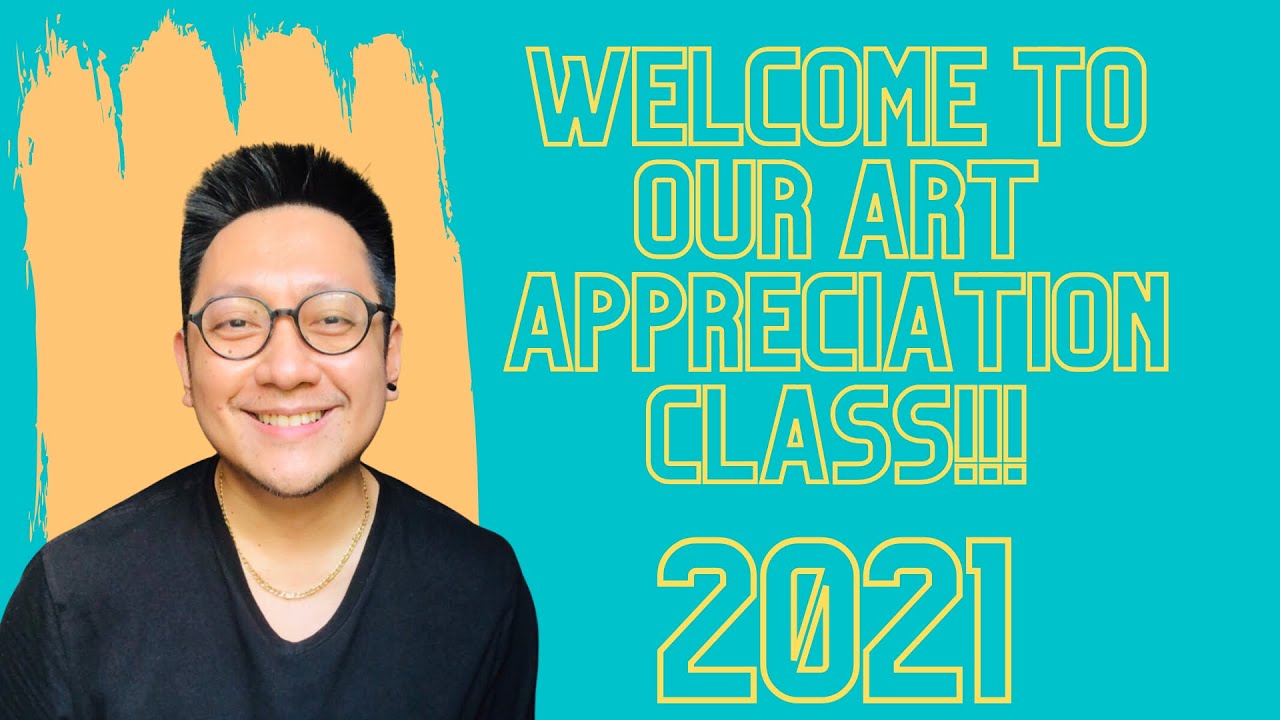
Welcome to Art Appreciation Course!!!
Edward John Padilla
Overview
This video introduces an art appreciation course, emphasizing its value beyond professional development. The instructor shares personal experiences, including a transformative trip to New York City, to illustrate how engaging with art fosters personal growth, open-mindedness, and a deeper understanding of humanity. The course aims to connect students with art, both globally and within the Filipino context, by encouraging dialogue and exploration rather than rote memorization, ultimately seeking to cultivate well-rounded individuals.
How was this?
Save this permanently with flashcards, quizzes, and AI chat
Chapters
- Teaching art appreciation online can be challenging because it's difficult to convey the profound impact of art through a screen.
- A significant hurdle is convincing students of the subject's value and the personal benefits of appreciating art.
- The instructor initially doubted the subject's relevance themselves, prompting a personal journey of discovery.
Understanding the instructor's initial struggles highlights the common student skepticism and sets the stage for why a new approach to teaching art appreciation is necessary.
The instructor's personal struggle to convince students of art's worth, likening it to scratching the surface of a deeper experience.
- A trip to New York City was a pivotal experience that taught the instructor humility and the vastness of art knowledge.
- Visiting museums daily, like MoMA, and repeatedly viewing iconic works, such as Van Gogh's 'The Starry Night,' revealed new emotional depths and insights each time.
- Experiencing art forms like opera and everyday sights like the Brooklyn Bridge consistently evoked awe and wonder, reinforcing the idea that art's impact is ever-new.
This personal anecdote demonstrates how direct engagement with art can profoundly shift one's perspective and foster a lifelong appreciation, serving as a model for the course's goals.
Seeing Van Gogh's 'The Starry Night' countless times at MoMA but still feeling emotional and discovering something new with each viewing.
- The instructor realized that forcing connections between art and specific professional fields was unnatural and missed the point.
- The primary goal of art appreciation is not to create better professionals, but to cultivate better human beings.
- Students are human beings first, and understanding this fundamental aspect is key to appreciating art's relevance.
This shift in perspective is crucial for learners, as it redefines the course's objective from vocational training to personal enrichment and holistic development.
The instructor's epiphany that the goal isn't to relate Vivaldi to anatomy, but to foster humanity through art.
- The course is designed conversationally to be less condescending and more open to student input, encouraging dialogue.
- Topics are presented as open perspectives for exploration, not rigid definitions, fostering critical thinking and discourse.
- Philippine art is explored within a global context, creating a dialogue between international and local artistic movements to enhance appreciation for both.
The course's structure actively promotes the kind of deep processing and open-mindedness that leads to durable learning and genuine appreciation of art.
Presenting topics not as 'imperious definitions' but as 'unlatched perspectives' that invite student discussion and further exploration.
- The course aims to make students more open-minded and receptive to new experiences and art.
- It is not intended to create art experts but to foster a greater capacity for understanding and appreciating art.
- The instructor, Mr. Padilla, formally welcomes students and directs them to an FAQ video for further questions.
This concluding section reinforces the course's ultimate goals and provides practical next steps for the learner.
The instructor's formal welcome and direction to the FAQ video.
Key takeaways
- Art appreciation is fundamentally about developing as a more complete human being, not just enhancing professional skills.
- Personal experiences of awe and continuous discovery, even with familiar art, demonstrate the enduring power of engaging with artistic works.
- Humility, recognizing that one can always learn more, is a crucial mindset for appreciating art.
- A conversational and exploratory approach to learning art is more effective than rigid definitions or forced connections.
- Understanding art within a global context enriches the appreciation of local artistic traditions.
- The course aims to foster open-mindedness and the ability to absorb new experiences, leading to a deeper understanding of art.
- The value of art lies in its ability to evoke emotion, inspire wonder, and broaden perspectives throughout life.
Key terms
Art AppreciationSemantic EncodingElaborative ProcessingRetrieval CuesHumanitiesMoMAVan GoghThe Starry NightGlobal StandpointFilipino Perspective
Test your understanding
- Why is teaching art appreciation considered challenging, especially in an online format?
- How did the instructor's personal experiences in New York City influence their approach to teaching art appreciation?
- What is the ultimate goal of an art appreciation course, according to the instructor's revised understanding?
- How does the course design encourage deeper engagement and critical thinking among students?
- Why is it important to view Philippine art within a global context?