16:26
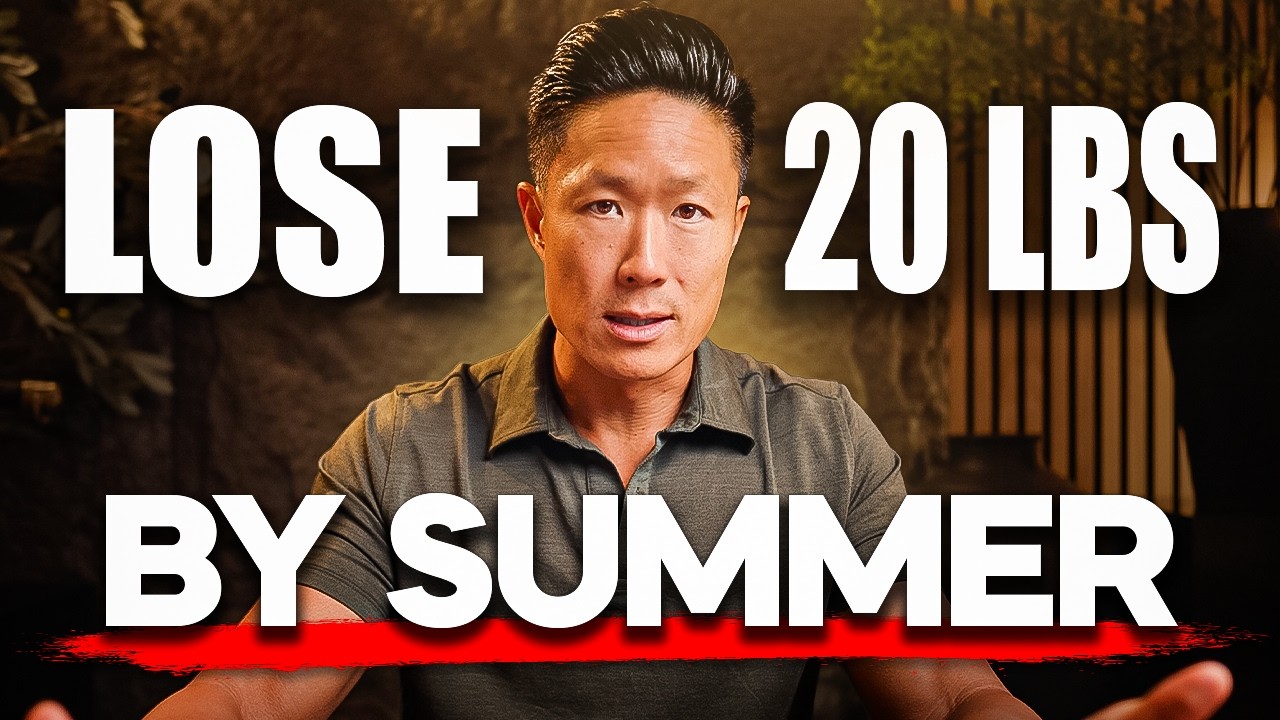
If you want to lose 20 pounds of fat by the summer, copy this:
Dan Go
Overview
This video outlines a comprehensive strategy for losing 20 pounds of fat by summer, focusing on a holistic approach that integrates nutrition, training, and recovery. It emphasizes creating a sustainable lifestyle change rather than a quick fix. The plan details specific macronutrient targets, food choices, meal timing, hydration, exercise protocols, and sleep optimization. It also highlights the importance of tracking progress through various metrics and self-awareness to ensure long-term success and personal development.
How was this?
Save this permanently with flashcards, quizzes, and AI chat
Chapters
- Establish a hard stop for eating 3-5 hours before bed to prevent late-night poor food choices and improve sleep quality, which in turn regulates hunger and appetite the next day.
- Calculate daily caloric intake by multiplying body weight by 12 (or 11 for significant weight loss).
- Determine daily protein intake by multiplying body weight by 0.8 to 1 gram per pound, crucial for muscle retention and potential gain during a calorie deficit.
- Focus on three key nutritional metrics: calories, protein, and fiber (aiming for 25-35g daily).
These principles set the stage for effective fat loss by controlling energy intake, supporting muscle mass, and leveraging the benefits of fiber for satiety and metabolic health.
Multiplying your body weight (e.g., 180 lbs) by 12 gives a daily caloric target of 2160 calories.
- Build meals around 'protein anchors' like lean meats, fish, eggs, and Greek yogurt to support muscle and satiety.
- Incorporate 'volume fillers' such as leafy greens and non-starchy vegetables to increase fullness without excess calories.
- Include 'smart carbs' like potatoes, beans, lentils, and fruits for fiber and energy.
- Prioritize water, coffee, and tea, while strictly avoiding alcohol, which hinders fat loss and recovery.
- Aim for hydration by drinking roughly half your body weight in ounces of water daily, with specific timing around waking and meals.
Selecting nutrient-dense, high-fiber foods and staying adequately hydrated are critical for managing hunger, preserving muscle, and optimizing bodily functions necessary for fat loss.
A meal might consist of grilled chicken breast (protein anchor), a large salad with mixed greens and cucumber (volume filler), and a small sweet potato (smart carb).
- Structure meals to align with circadian rhythms, typically starting with a high-protein, high-fiber meal 1-2 hours after waking.
- Avoid snacking between meals to automate hunger signals and maintain consistent energy levels.
- The chrono-eating protocol involves evenly spaced meals (often 3 per day) to support metabolic health and hunger regulation.
- A sample breakfast ('glop') includes Greek yogurt, protein powder, psyllium husk, and frozen fruit for gut health, appetite control, and fiber.
Timing your food intake strategically can enhance your body's natural metabolic processes, improve hunger management, and contribute to overall hormonal balance.
Eating breakfast around 8 AM, lunch around 1 PM, and dinner around 6 PM, with no snacks in between.
- Engage in three full-body strength training sessions per week, with at least one rest day between sessions.
- Train each muscle group at least twice weekly to maximize growth stimuli and recovery.
- Utilize the '2X training method' focusing on 5-6 exercises per session with two sets each, prioritizing mechanical tension over high volume.
- Incorporate daily non-exercise movement, aiming for 7,500-10,000 steps, to support overall health and calorie expenditure without compromising recovery.
Consistent strength training builds and preserves muscle mass, while increased daily movement aids fat loss and improves functional health, both essential for a lean physique.
Performing two sets of squats, push-ups, rows, overhead presses, and a core exercise in each of the three weekly workouts.
- Optimize the sleep environment by ensuring a cool, dark room and minimizing light exposure before bed.
- Establish a consistent pre-sleep routine, such as dimming lights, reading, or taking a warm bath, to signal the body to wind down.
- Aim for 7-9 hours of quality sleep per night, as sleep is crucial for hormonal regulation, muscle repair, and fat loss.
- Nose breathing during sleep, potentially aided by mouth tape, can improve sleep quality and recovery.
Adequate, high-quality sleep is fundamental for hormonal balance, muscle recovery, and effective fat loss, often being more critical than diet or exercise alone.
Using blackout curtains, setting a consistent bedtime, and avoiding screens for an hour before sleep.
- Monitor progress using a 'body dashboard' that includes daily weigh-ins (averaged over 7 days), body measurements (especially waist circumference), and progress photos.
- Consider advanced tracking methods like DEXA scans and blood work for a deeper understanding of body composition and health markers.
- Keep a detailed journal to track food intake, workouts, sleep quality, and subjective feelings, noting patterns and triggers.
- Recognize that this process is a journey of self-development, requiring awareness of weaknesses and coping mechanisms to achieve lasting change.
Consistent tracking and self-reflection provide objective feedback on progress, identify areas for adjustment, and foster the self-awareness needed for sustainable lifestyle changes.
Noticing in your journal that you consistently overeat on weekends after a stressful work week, prompting a strategy to manage stress differently.
Key takeaways
- Sustainable fat loss requires a multi-faceted approach combining precise nutrition, strategic training, and prioritized recovery.
- Evening eating habits and sleep quality significantly impact daily hunger, appetite regulation, and fat storage.
- Focusing on protein and fiber intake is key for satiety and muscle preservation during a calorie deficit.
- Consistent strength training, even with lower volume per session, is vital for maintaining muscle mass while losing fat.
- Non-exercise activity thermogenesis (NEAT), like walking, plays a crucial role in overall calorie expenditure and health.
- Sleep is a non-negotiable pillar of fat loss, directly influencing hormones that control hunger and cravings.
- Objective tracking and journaling are essential tools for monitoring progress, identifying patterns, and ensuring long-term adherence.
- The journey to physical transformation is also a powerful opportunity for personal growth and self-awareness.
Key terms
Calorie DeficitProtein AnchorsVolume FillersSmart CarbsChrono-Eating2X Training MethodMechanical TensionNEAT (Non-Exercise Activity Thermogenesis)ERT Protocol (Environment, Routine, Timing)Body DashboardVisceral FatLean Body Trifecta
Test your understanding
- How does stopping eating 3-5 hours before bed contribute to fat loss beyond preventing late-night snacking?
- What is the rationale behind prioritizing protein and fiber intake when aiming to lose fat?
- Explain the '2X training method' and why it's considered effective for muscle maintenance and growth, especially for individuals over 35.
- How does poor sleep quality negatively impact the body's ability to lose fat and manage appetite?
- Why is tracking multiple metrics (weight, measurements, photos) more effective than relying on weight alone for assessing fat loss progress?