Alive Inside: How the Magic of Music Proves Therapeutic for Patients With Alzheimer's and Dementia
Democracy Now!
Overview
This video explores the profound impact of personalized music on individuals with Alzheimer's and dementia, as documented in the film "Alive Inside." It highlights how social worker Dan Cohen's "Music & Memory" program, which provides iPods with curated music to nursing home residents, can reawaken memories, improve mood, and restore a sense of identity. The film showcases compelling examples of patients transforming from unresponsive states to moments of joy, connection, and even physical movement when listening to music from their past. It also critiques the current healthcare system's over-reliance on medication for behavioral issues in elder care, advocating for more personalized and humanistic approaches.
Save this permanently with flashcards, quizzes, and AI chat
Chapters
- Music, particularly personalized playlists, can significantly impact individuals with Alzheimer's and dementia.
- The film "Alive Inside" documents the "Music & Memory" program, which brings iPods with familiar music to nursing home residents.
- Personalized music can reawaken memories, improve mood, and restore a sense of identity in patients.
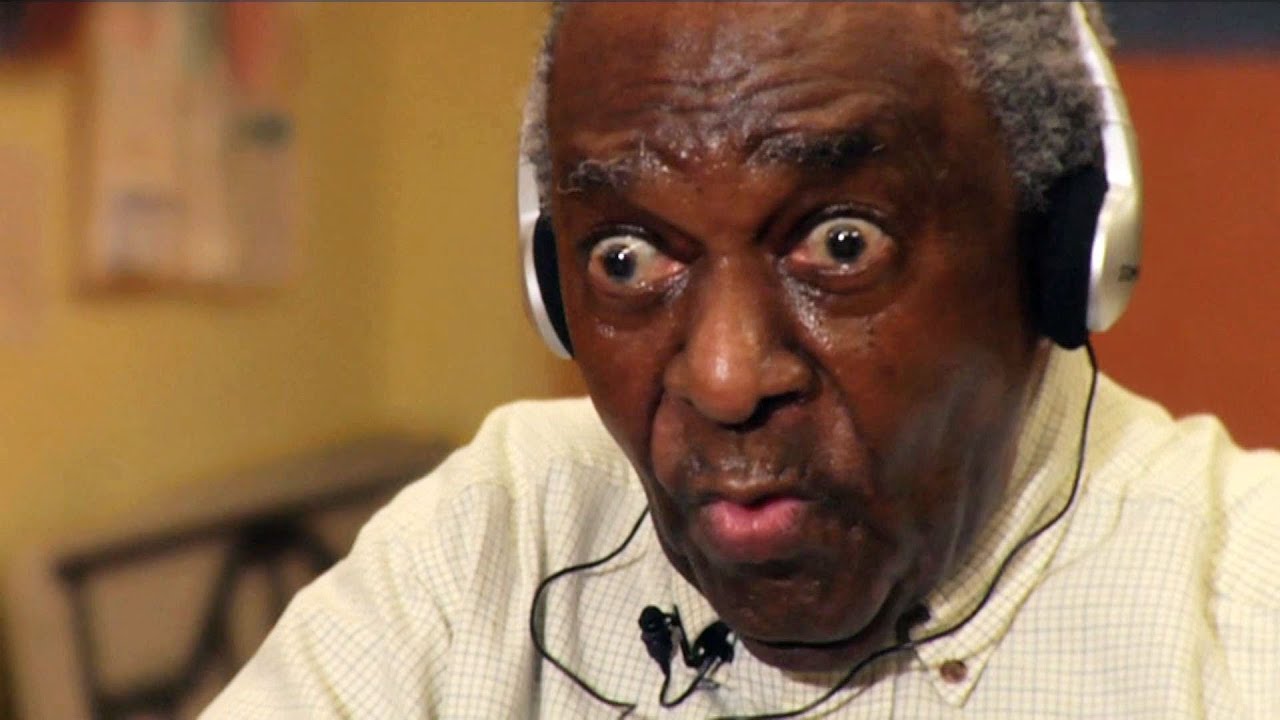
- The viral video of Henry Drier, who transformed from an unresponsive state upon listening to Cab Callaway, exemplifies this phenomenon.
- Social worker Dan Cohen founded the "Music & Memory" program to bring personalized music experiences to nursing homes.
- Cohen was inspired by the ubiquity of iPods and wondered if nursing home residents had access to their favorite music.
- He found that no nursing homes were using iPods and began a pilot program with overwhelming positive results.
- The program aims to provide personalized music access to millions of Americans living with dementia and memory loss.
- The film showcases dramatic transformations in patients who were previously withdrawn or unresponsive.
- Denise, a patient with bipolar schizophrenia, found joy and mobility through salsa music, even abandoning her walker.
- Another resident, previously unresponsive and bedridden, showed physical responses like foot-shaking and head-moving to music.
- These examples highlight music's ability to reach individuals even in the most advanced stages of cognitive impairment.
- Music bypasses damaged cognitive pathways and directly accesses preserved emotional and memory centers.
- Familiar music from youth can unlock deeply ingrained memories that are otherwise inaccessible.
- The emotional and visceral connection to music remains intact even when cognitive abilities decline.
- Headphones provide a focused, pleasurable auditory experience, reducing overwhelming external stimuli.
- The current elder care system often prioritizes group activities over individualized care due to funding constraints.
- There's a societal tendency to isolate elders, leading to loneliness and a lack of community engagement.
- The healthcare system often prescribes powerful medications (antipsychotics, antidepressants) for behavioral issues, despite significant side effects.
- It is often easier to get a prescription for $1,000 worth of antidepressants than $40 for a CD player or music access.
- The "Music & Memory" program helps restore dignity and a sense of self to individuals in nursing homes.
- It combats the isolation often experienced by elders by fostering engagement and connection.
- The use of headphones creates a personal sanctuary, simplifying the world and enhancing the music experience.
- Intergenerational connections can be fostered when younger people share music with elders.
Key takeaways
- Personalized music acts as a powerful tool to reawaken memories and emotions in individuals with Alzheimer's and dementia.
- The "Music & Memory" program demonstrates that simple, individualized interventions can dramatically improve the quality of life for nursing home residents.
- Music's ability to bypass cognitive decline and directly access emotional centers highlights its unique therapeutic potential.
- The film critiques the over-reliance on medication in elder care, advocating for more person-centered, non-pharmacological approaches.
- Restoring access to familiar music can help individuals regain a sense of identity, dignity, and connection to the world.
- Even in advanced stages of cognitive impairment, individuals are capable of profound emotional and even physical responses to music.
- Societal structures often isolate elders, but initiatives like sharing music can foster valuable intergenerational connections.
Key terms
Test your understanding
- How does personalized music therapy differ from general recreational music activities in nursing homes?
- What is the proposed mechanism by which music can bypass cognitive decline to evoke memories and emotions?
- Why is the "Music & Memory" program considered a critique of current elder care practices, particularly regarding medication use?
- Describe a specific example from the video that illustrates the transformative power of music on an individual with dementia.
- What are the broader societal implications of isolating elders and limiting their access to meaningful personal experiences like music?