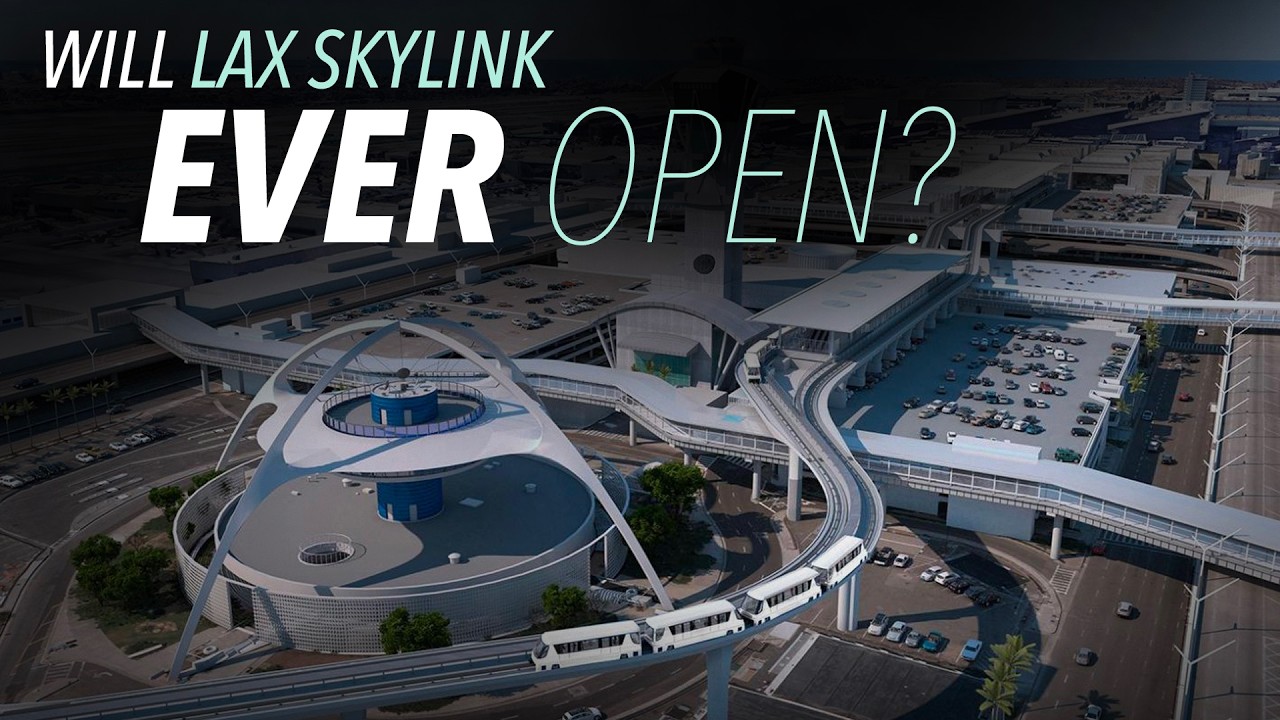
The REAL Story Behind the LAX People Mover Fiasco
nandert
Overview
This video delves into the significant delays and cost overruns plaguing the LAX People Mover project. Originally slated for a 2023 opening, the project has faced numerous disputes, primarily between LA World Airports (LAWA) and the contractor consortium LINXS. The core issues stem from contract deficiencies, particularly in dispute resolution and code adherence, which LINXS allegedly exploited to inflate costs through change orders and settlements, totaling nearly $880 million over the initial budget. The video explores the contract structure, the role of the project neutral, and the alleged unethical business practices by LINXS, questioning the accountability of the involved parties and the future of public infrastructure projects.
Save this permanently with flashcards, quizzes, and AI chat
Chapters
- The LAX People Mover is a long-delayed project intended to connect terminals with other airport destinations.
- Construction began in 2019 with an original 2023 opening date, but it is still not complete.
- Despite being reported over 97% complete in May 2024, the project faces an uncertain opening timeline.
- The project has already seen a nearly 50% budget increase, reaching $1.9 billion, with an additional $880 million in settlements.
- The project uses a Design-Build-Finance-Operate-Maintain (DBFOM) contract, intended to consolidate responsibility.
- This contrasts with the traditional Design-Bid-Build (DBB) model, where separate entities handle design and construction.
- The DBFOM model aims to reduce change order risks by making the contractor responsible for both design and construction.
- LINXS was also contracted to finance a portion of the project and operate it long-term.
- The contract had significant deficiencies in its dispute resolution mechanisms.
- A single 'project neutral' was appointed to resolve disputes, rather than a panel, and this individual was perceived as biased towards LINXS.
- The contract lacked clear definitions for work continuation during disputes, allowing LINXS to potentially halt progress.
- The non-binding nature of the project neutral's decisions and subsequent mediation meant litigation was often the only recourse, with potential for multi-year delays.
- A major dispute arose over the correct building code for seismic resilience.
- LAWA's initial specifications mistakenly cited 'bridge code' instead of the correct 'seismic code'.
- LINXS, despite being verbally informed of the correct code, proceeded with the design based on the incorrect specification.
- This led to a $143 million claim by LINXS for redesign costs, which the project neutral largely awarded, despite the grand jury affirming LINXS's ultimate responsibility.
- LINXS allegedly abused the contract by overwhelming city departments with massive document submittals for permit approvals.
- This tactic allowed LINXS to claim the city was breaching the contract due to delayed reviews, leading to further change orders.
- LINXS submitted 209 claims and slowed construction, which the grand jury controversially described as 'good business' to maximize profits.
- A 'global settlement' of $550 million was reached, adding to the $880 million already paid in change orders, yet disputes continued.
- New disputes have emerged, including one over faulty electrical work causing significant delays.
- LAWA appears to be taking a firmer stance against LINXS in recent disputes, refusing to fold immediately.
- Subcontractors have sued LINXS, alleging non-payment from the settlement funds.
- The project's opening continues to be pushed back, with concerns about its readiness for major upcoming events like the Olympics.
Key takeaways
- The DBFOM contract structure, while intended to streamline projects, can be exploited if dispute resolution and accountability mechanisms are weak.
- Contractual ambiguities and deficiencies, particularly regarding dispute resolution, can empower contractors to hold projects hostage for financial gain.
- The role of a single, non-removable 'project neutral' can introduce significant bias into dispute resolution processes.
- Contractors may use tactics like overwhelming administrative processes to create artificial delays and justify costly change orders.
- Even large settlements may not resolve all disputes, and ongoing issues can continue to plague projects long after initial agreements.
- Public entities must ensure robust oversight and clear contract terms to protect taxpayer money and ensure project completion.
- Allegations of unethical business practices by contractors necessitate thorough investigations to ensure accountability and prevent future occurrences.
Key terms
Test your understanding
- What are the primary reasons cited for the delays and cost overruns in the LAX People Mover project?
- How did the specific dispute resolution mechanisms within the LINXS contract contribute to the project's problems?
- What was the significance of the building code dispute, and how did it impact the project's budget and timeline?
- What alleged tactics did LINXS employ to gain leverage and extract additional funds from LAWA?
- Why is the role of the 'project neutral' considered a critical failure point in this project's management?